Maximizing Workplace Productivity: Strategies for Success
In today’s fast-paced business environment, maximizing workplace productivity is crucial for achieving success and staying ahead of the competition. Employers are constantly seeking ways to increase efficiency and performance among their workforce. By implementing the right strategies, companies can create a more productive and engaged work environment that drives success.
Identify and Prioritize Tasks
One of the first steps in maximizing workplace productivity is to identify and prioritize tasks. Employees should focus on the most important and urgent tasks first, while delegating or eliminating less crucial ones. By creating a clear plan of action, employees can stay focused and on track throughout the day.
Streamline Processes
Streamlining processes is another key strategy for maximizing productivity. Companies should regularly review their workflows to identify inefficiencies and bottlenecks that may be hindering progress. By streamlining processes and eliminating unnecessary steps, employees can work more efficiently and effectively.
Encourage Communication and Collaboration
Communication and collaboration are essential for maximizing workplace productivity. Employers should encourage open communication among team members and provide opportunities for collaboration on projects. By fostering a culture of teamwork and cooperation, companies can harness the collective skills and talents of their employees to achieve common goals.
Conclusion
In conclusion, maximizing workplace productivity is vital for achieving success in today’s competitive business landscape. By identifying and prioritizing tasks, streamlining processes, and encouraging communication and collaboration, companies can create a more productive and efficient work environment. By implementing these strategies, organizations can optimize performance and drive success in the long run.

HITWAY Electric Bike for Adults, 26" × 2.125/3.0/4.0 Fat Tire E Bike 12Ah/15Ah Removable Electric Bicycle, 500W/750W Mountain Bike Snow Beach Bicycle with 7…
The Importance of Time Management in the Workplace
Time management is a crucial skill that can greatly impact productivity and success in the workplace. In today’s fast-paced business environment, being able to effectively manage your time can make the difference between meeting deadlines and goals, or falling behind.
One of the key benefits of time management is that it helps individuals prioritize tasks and focus on what is most important. By setting clear goals and deadlines, employees can ensure that they are working towards achieving their objectives in a timely manner. This not only helps to increase productivity, but also allows for better work-life balance.
Effective time management also helps to reduce stress and prevent burnout. When employees feel overwhelmed with tasks and deadlines, it can lead to decreased morale and productivity. By implementing strategies to manage time more efficiently, individuals can alleviate some of the pressure and maintain a healthy work-life balance.
Moreover, good time management skills can lead to increased job satisfaction and career progression. Employers value employees who are able to prioritize tasks, meet deadlines, and deliver high-quality work consistently. By demonstrating strong time management skills, employees can improve their performance and advance in their careers.
Conclusion
In conclusion, time management is a critical skill that can have a profound impact on performance and success in the workplace. By prioritizing tasks, setting clear goals, and managing time effectively, employees can increase productivity, reduce stress, and achieve their career goals. Investing time in developing and honing time management skills can yield significant benefits in both personal and professional life.
Vitamins and Their Importance for Overall Health
When it comes to maintaining optimal health, a balanced diet rich in vitamins is essential. Vitamins are organic compounds that play a crucial role in various bodily functions, and deficiencies can lead to a range of health problems. In this article, we will discuss the importance of vitamins for overall health.
The Role of Vitamins in the Body
Vitamins are essential nutrients that our bodies need to function properly. They help regulate metabolism, support immune function, and aid in the growth and repair of tissues. Each vitamin plays a unique role in the body, and getting enough of each type is vital for overall health.
Common Vitamin Deficiencies
Despite the abundance of vitamins in many foods, deficiencies are still common due to poor dietary choices, certain health conditions, or lifestyle factors. Some of the most common vitamin deficiencies include vitamin D, vitamin B12, and vitamin C. These deficiencies can lead to fatigue, weakened immune function, and other health issues.
Getting Your Daily Vitamins
The best way to ensure you are getting an adequate amount of vitamins is to eat a balanced diet that includes a variety of fruits, vegetables, whole grains, and lean proteins. In some cases, supplementation may be necessary, especially for individuals with specific dietary restrictions or health conditions.
Conclusion
Vitamins play a crucial role in maintaining overall health and well-being. By incorporating a variety of nutrient-rich foods into your diet and considering supplementation when needed, you can ensure that your body receives the vitamins it needs to thrive.
The Importance of Time Management in the Workplace
Effective time management is a crucial skill for both individuals and organizations, especially in a fast-paced work environment. By properly managing their time, employees can increase productivity, reduce stress, and ultimately improve their overall performance.
Benefits of Time Management
One of the key benefits of time management in the workplace is the ability to prioritize tasks and focus on what truly matters. By setting clear goals and deadlines, employees can better plan their workday and avoid procrastination. This not only helps them stay on track but also improves their efficiency and effectiveness.
In addition, proper time management allows employees to allocate their time wisely between different projects and responsibilities. This helps prevent burnout and ensures that all tasks are completed in a timely manner. By managing their time effectively, employees can also have a better work-life balance and reduce the risk of experiencing work-related stress.
Tips for Effective Time Management
To improve time management skills, employees can implement several strategies, such as creating to-do lists, setting priorities, using time tracking tools, and minimizing distractions.
Conclusion
In conclusion, time management is essential for success in the workplace. By prioritizing tasks, setting goals, and minimizing distractions, employees can increase their productivity and efficiency, leading to better job performance and overall satisfaction.
Related Amazon Products

Now retrieving an image set.
Ascher Ultra Bright USB Rechargeable Bike Light Set, Powerful Bicycle Front Headlight and Back Taillight, 4 Light Modes, Easy to Install for Men Women Kids Road Mountain Cycling
$14.53 (as of October 5, 2026 10:10 GMT +00:00 – More infoProduct prices and availability are accurate as of the date/time indicated and are subject to change. Any price and availability information displayed on [relevant Amazon Site(s), as applicable] at the time of purchase will apply to the purchase of this product.)
Now retrieving an image set.
adidas Mens Athletic Cushioned 6-Pack Crew Socks Casual – Green | 6-Pack, Targeted Cushioning, Arch Support, Breathable Moisture-Wicking, Reinforced Heel & Toe, All-Day Comfort
$18.19 (as of October 5, 2026 10:10 GMT +00:00 – More infoProduct prices and availability are accurate as of the date/time indicated and are subject to change. Any price and availability information displayed on [relevant Amazon Site(s), as applicable] at the time of purchase will apply to the purchase of this product.)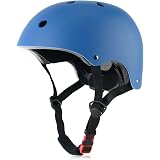
Now retrieving an image set.
Kids Bike Helmet, Adjustable and Multi-Sport, from Toddler to Youth, 3 Sizes
$34.99 (as of October 5, 2026 10:10 GMT +00:00 – More infoProduct prices and availability are accurate as of the date/time indicated and are subject to change. Any price and availability information displayed on [relevant Amazon Site(s), as applicable] at the time of purchase will apply to the purchase of this product.)The Importance of Time Management in the Workplace
Time management is a crucial aspect of success in any professional setting. In today’s fast-paced world, the ability to effectively manage one’s time can make all the difference in productivity and overall work performance.
One of the key benefits of mastering time management skills is the ability to prioritize tasks and allocate resources efficiently. By setting clear goals and deadlines, individuals are able to stay focused and organized, leading to increased productivity and reduced stress levels.
Furthermore, effective time management allows individuals to better balance their workload and personal life. By allocating time for both work responsibilities and personal activities, individuals can avoid burnout and maintain a healthy work-life balance.
Another advantage of good time management is the ability to make informed decisions and respond to unexpected challenges in a timely manner. When individuals have a clear understanding of their priorities and deadlines, they are better equipped to handle unexpected tasks without feeling overwhelmed.
In conclusion, time management is a crucial skill that can greatly impact one’s success in the workplace. By mastering the art of time management, individuals can increase productivity, reduce stress, and achieve a better work-life balance. Remember, time is a valuable resource that should be managed wisely to maximize efficiency and overall success.
The Benefits of Mindfulness in the Workplace
As the demands of the modern workplace continue to increase, it’s becoming more important for employees to find ways to reduce stress and improve their overall well-being. One powerful tool that has gained popularity in recent years is mindfulness. This ancient practice has been shown to have numerous benefits for individuals, both personally and professionally.
Enhanced Focus and Productivity
By practicing mindfulness, employees can learn to be more present in the moment, which can lead to increased focus and productivity. When workers are able to fully engage in their tasks without distractions, they are more likely to produce high-quality work in a shorter amount of time.
Stress Reduction
One of the key benefits of mindfulness is its ability to reduce stress. By practicing techniques such as deep breathing and meditation, employees can learn to calm their minds and bodies, leading to a lower overall level of stress. This can have a positive impact on both mental and physical health, as chronic stress has been linked to a number of negative health outcomes.
Improved Communication and Collaboration
Mindfulness can also improve communication and collaboration among team members. By being more present and attentive, employees can better listen to and understand their colleagues, leading to more effective teamwork and problem-solving.
Conclusion
In conclusion, incorporating mindfulness practices into the workplace can have a wide range of benefits for both employees and employers. By enhancing focus, reducing stress, and improving communication, mindfulness can help create a more positive and productive work environment for everyone involved.
Understanding the Importance of Time Management
Time management is a crucial skill that impacts every aspect of our lives, both personally and professionally. Being able to effectively manage your time can lead to increased productivity, reduced stress, and improved overall well-being. In this article, we will explore why time management is essential and provide some tips on how you can better manage your time.
Why Time Management Matters
One of the key reasons why time management is important is that it allows you to prioritize tasks and allocate your time effectively. By planning your day in advance and setting realistic goals, you can ensure that you are making the most of your time and focusing on what truly matters. Additionally, effective time management can help you avoid procrastination and meet deadlines in a timely manner.
Furthermore, good time management can lead to a greater sense of control and balance in your life. By establishing routines and schedules, you can create a sense of order and reduce feelings of chaos and overwhelm. This can ultimately lead to increased motivation and a greater sense of accomplishment.
Tips for Better Time Management
There are several strategies you can employ to improve your time management skills. Some simple tips include setting specific goals, creating to-do lists, prioritizing tasks, and minimizing distractions. It’s also important to learn how to say no to tasks that don’t align with your priorities and to delegate when necessary.
Conclusion
Overall, effective time management is essential for success in all areas of life. By mastering this skill, you can increase your productivity, reduce stress, and achieve a better work-life balance. By implementing some of the tips mentioned in this article, you can begin to take control of your time and work towards a more fulfilling and balanced life.
Related articles
Related posts:
26'' Electric Bicycle for Adults with 432Wh Removable Battery, 500W Peak Motor, 21 Speed Mountain E-…
Electric Bike for Adults,26" x 4" Fat Tire Ebikes, 1000W 48V 17.5Ah 30MPH Adult Electric Bike Long R…
Electric Bike for Adults, 26" x 4.0 Fat Tire Ebike, 350W (Peak 500W) 36V 10.4Ah Lithium Battery Elec…
Electric Bike for Adults, 750W Peak Power Electric Dirt Bike 28MPH 48V 15.6Ah Removable Battery Ebik…
Auto Amazon Links: No products found.

Titleist AVX Golf Balls
$49.99 (as of October 5, 2026 10:10 GMT +00:00 – More infoProduct prices and availability are accurate as of the date/time indicated and are subject to change. Any price and availability information displayed on [relevant Amazon Site(s), as applicable] at the time of purchase will apply to the purchase of this product.)
Performance Golf 357 Fairway Hybrid, 21 Degree Loft | Distance of A 3-Wood, Easy to Hit As A 7-Wood, Clean Contact from Any Lie
$249.00 (as of October 5, 2026 10:10 GMT +00:00 – More infoProduct prices and availability are accurate as of the date/time indicated and are subject to change. Any price and availability information displayed on [relevant Amazon Site(s), as applicable] at the time of purchase will apply to the purchase of this product.)
TaylorMade SpeedSoft Golf Balls, Maximum Distance with Ultra-Soft Feel, Perfect for Off the Tee and Around the Green
$24.97 (as of October 5, 2026 10:10 GMT +00:00 – More infoProduct prices and availability are accurate as of the date/time indicated and are subject to change. Any price and availability information displayed on [relevant Amazon Site(s), as applicable] at the time of purchase will apply to the purchase of this product.)
TaylorMade Tour Response Golf Balls, Enhanced 360° ClearPath Alignment, Speed Wrapped Core for Distance and Feel, Pack of 12
$39.99 (as of October 5, 2026 10:10 GMT +00:00 – More infoProduct prices and availability are accurate as of the date/time indicated and are subject to change. Any price and availability information displayed on [relevant Amazon Site(s), as applicable] at the time of purchase will apply to the purchase of this product.)
